When you start oxygen therapy or begin monitoring your health with a pulse oximeter, you’ll hear the term oxygen saturation (often shown as SpO₂). But what does that number actually mean and how low is too low for your body and brain?
In this guide, we’ll break down oxygen saturation in simple terms, explain safe ranges, and help you understand when to seek medical attention.
What Is Oxygen Saturation?
Oxygen saturation is the percentage of oxygen in your blood. It measures how much oxygen your red blood cells are carrying compared to their maximum capacity.
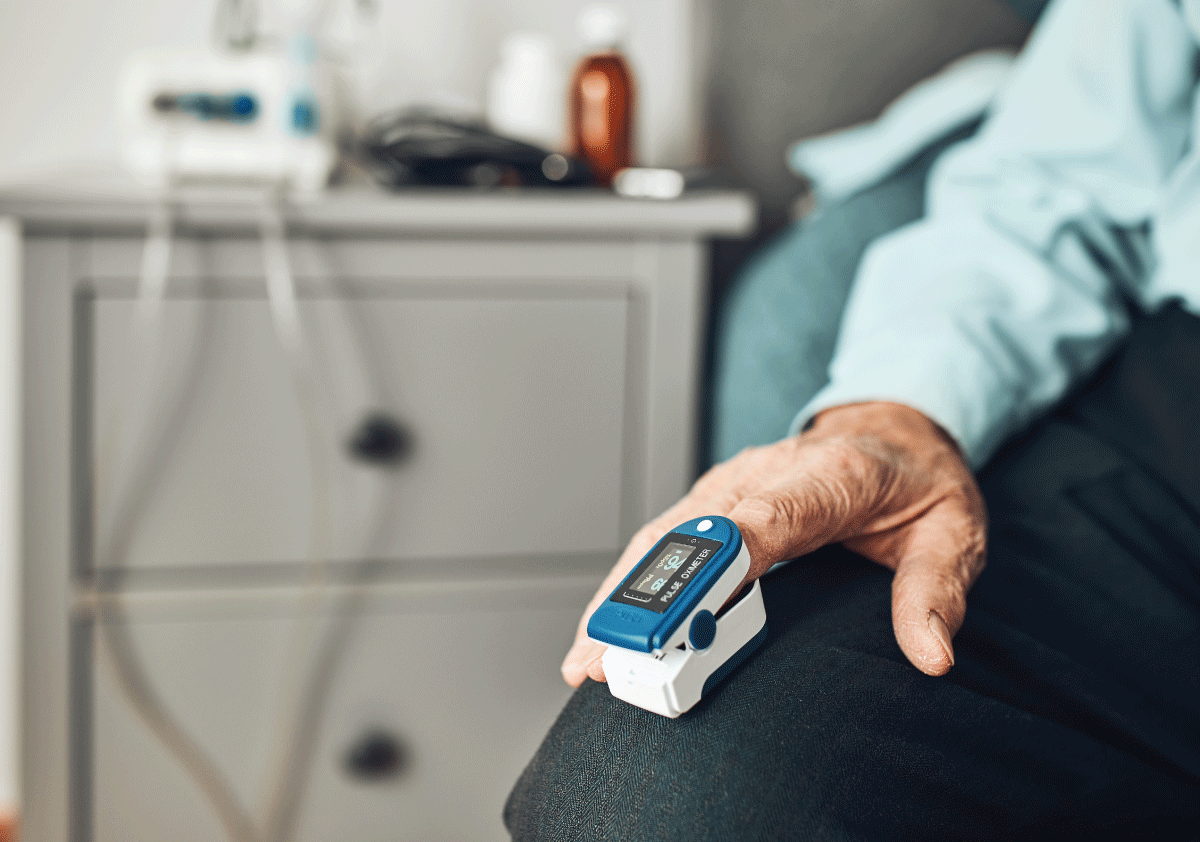
The most common way to measure this at home is with a pulse oximeter (link), a small device that clips onto your finger.
What Are Normal Oxygen Levels?
For most healthy adults:
- 95% to 100% is considered normal and safe.
- 92% to 94% may indicate mild hypoxemia (low oxygen) and should be monitored closely.
- Below 92% is generally considered too low and may require supplemental oxygen or medical intervention.
Why Low Oxygen Levels Matter
Your body depends on oxygen for every function. If your oxygen saturation drops too low, you may experience:
- Shortness of breath
- Fatigue or weakness
- Headaches
- Confusion or difficulty thinking
- Increased heart rate
For the brain, especially, oxygen is critical. Prolonged low levels can lead to serious complications, including organ stress and damage
Factors That Affect Oxygen Saturation
Not all drops in oxygen are the same. Levels can fluctuate based on:
- Activity level: Walking, climbing stairs, or exercising can lower oxygen temporarily.
- Sleep: Some people experience lower oxygen levels at night.
- Altitude: Higher elevations naturally reduce oxygen availability.
Lung or heart conditions: Chronic illnesses like COPD, asthma, or heart failure often lower baseline oxygen saturation.
When to Seek Medical Attention
Call 911 immediately if oxygen drops below 85% or you experience severe shortness of breath, chest pain, or confusion.
Contact your provider if your oxygen levels consistently measure below 92%, or if your prescribed oxygen isn’t keeping your levels stable.
Oxygen saturation is one of the most important numbers you can track for your health. While brief dips may happen, consistently low oxygen levels are a sign that your body isn’t getting the support it needs.
By monitoring your levels and working with your healthcare provider, you can keep your oxygen in a safe range and protect both your body and brain.