Compression stockings are more than just supportive socks, they are medical devices designed to improve blood flow and circulation. Choosing the right compression level is essential because the benefits vary depending on your needs, and wearing the wrong level may reduce effectiveness or even cause harm.
That’s why it is important to understand how compression levels work, what each range is typically used for, and why being fitted in-store by a trained professional is crucial. At our health center, we do not sell compression wear online, because the safest and most effective results come from proper measurement and fitting by hand.
Why Compression Levels Matter
Compression stockings are measured in millimeters of mercury (mmHg), the same scale used for blood pressure. The higher the number, the firmer the support. Compression stockings are designed with graduated pressure, meaning the stocking is tightest at the ankle and gradually decreases up the leg. This design counteracts gravity, prevents blood from pooling in the lower legs, and supports healthy circulation throughout the day.
The correct compression level depends on your health needs, lifestyle, and any underlying medical conditions. Here is a general guide:
Mild (8–15 mmHg)
- Helps relieve tired, achy, or fatigued legs.
- Provides light support during long periods of standing or sitting.
- May help during early pregnancy to prevent varicose or spider veins.
- A good choice for general comfort and leg health.
Medium (15–20 mmHg)
- The most common starting level for first-time wearers.
- Helps relieve minor swelling, aching, and heaviness in the legs.
- Recommended for travel, long days on your feet, or during pregnancy.
- May help reduce risk of deep vein thrombosis (DVT).
Firm (20–30 mmHg)
- The most frequently prescribed level by doctors.
- Helps with moderate varicose veins, swelling, and post-surgical recovery.
- Often recommended for chronic leg fatigue, mild edema, or orthostatic hypotension (low blood pressure upon standing).
- Requires professional guidance before wearing.
Extra Firm (30–40 mmHg)
- Used for more severe venous conditions, edema, or lymphedema.
- Helps manage venous ulcers, post-thrombotic syndrome, and DVT.
- Should only be worn with medical supervision and a proper fitting.
Medical Prescription (40–50 mmHg and higher)
- Reserved for serious venous diseases such as severe swelling, advanced varicose veins, or chronic venous insufficiency.
- Always requires a physician’s direction and professional fitting.
Why Proper Fitting is Crucial
A compression stocking that is too loose will not provide therapeutic benefit, while one that is too tight may be harmful. Accurate measurements—taken at the ankle, calf, and leg length—ensure that the stockings work effectively and comfortably. For best
results, fittings should be done in the morning, before swelling begins.
Our trained staff will guide you through the process, confirm the right compression level, and help you select the best fit for your health needs.
Takeaways
Compression therapy can support everyday comfort, prevent future health concerns, and treat existing conditions when used correctly. But because higher levels of compression should only be worn under medical guidance, we strongly recommend an in-person fitting.
We invite you to visit any of our stores to be properly fitted. This ensures you get the safest, most effective compression stockings for your unique needs.
Suggested Products

Nebulizer Compressor
View Product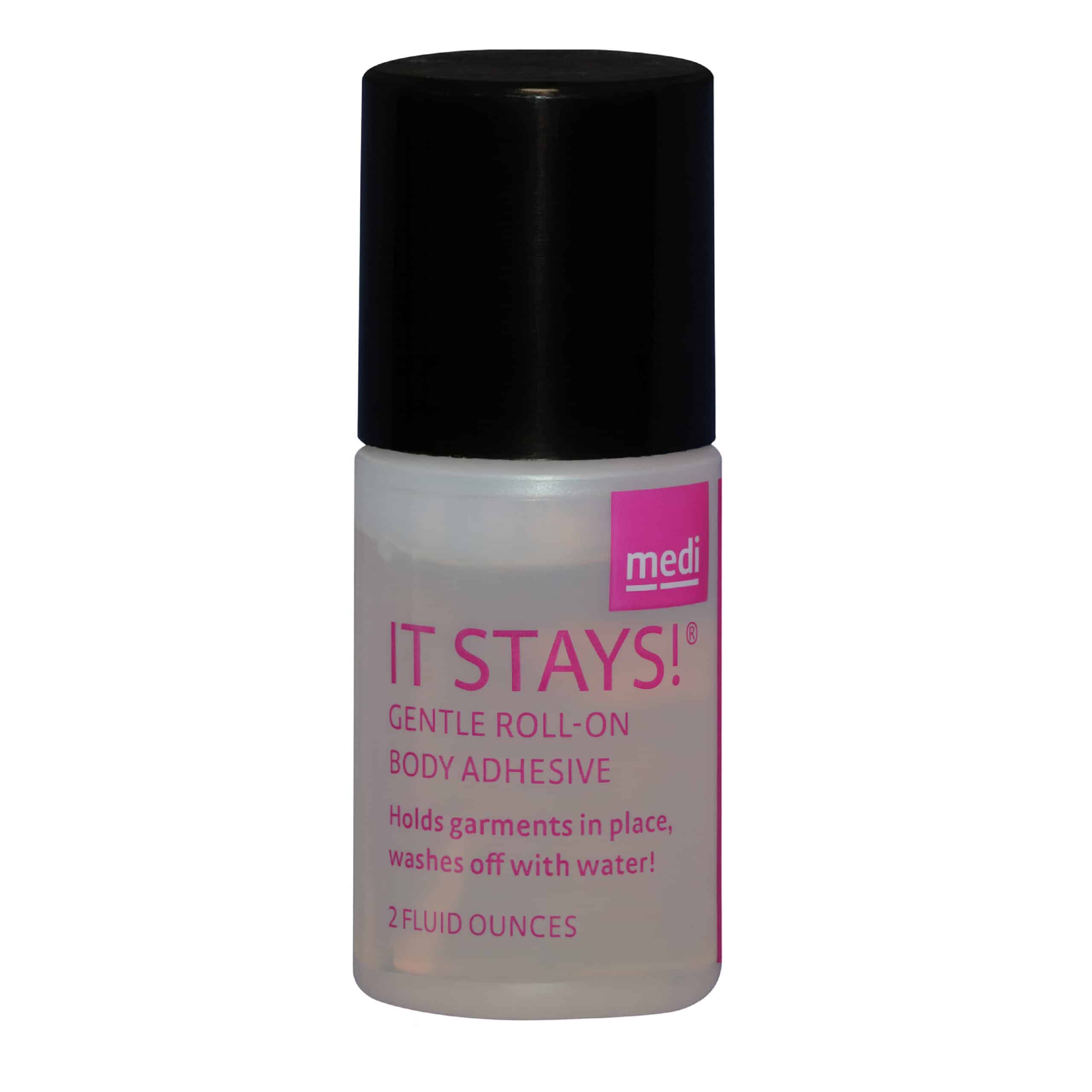
It Stays Compressions Adhesive
View Product