Recovering from surgery brings many changes, and one of the most important places to prepare is the bathroom. Everyday tasks like bathing, standing, or using the toilet can feel more difficult after procedures such as hip, knee, or back surgery. By making a few adjustments, you can create a bathroom environment that reduces risks, promotes comfort, and supports independence during recovery.
Why Bathroom Safety Matters After Surgery
Bathrooms are one of the most common places for slips and falls, and recovery from surgery often brings limited mobility, weakness, or balance challenges. For many, the bathroom is the room where they feel the least secure — surfaces get wet, space is often tight, and movements like bending or twisting can be painful.
For caregivers, ensuring bathroom safety can also reduce stress and provide peace of mind. Knowing that the environment is safer helps
Key Areas to Address in Bathroom Safety
1. Stability and Support
After surgery, fatigue and weakness can make standing for long periods risky. Adding stable supports makes routine tasks less overwhelming.
- Seating in the shower or bath: A shower chair or bath bench provides a secure place to sit, helping reduce fatigue and the risk of slipping.
- Support near the toilet: Handholds or frames around the toilet make it easier to sit and stand without strain.
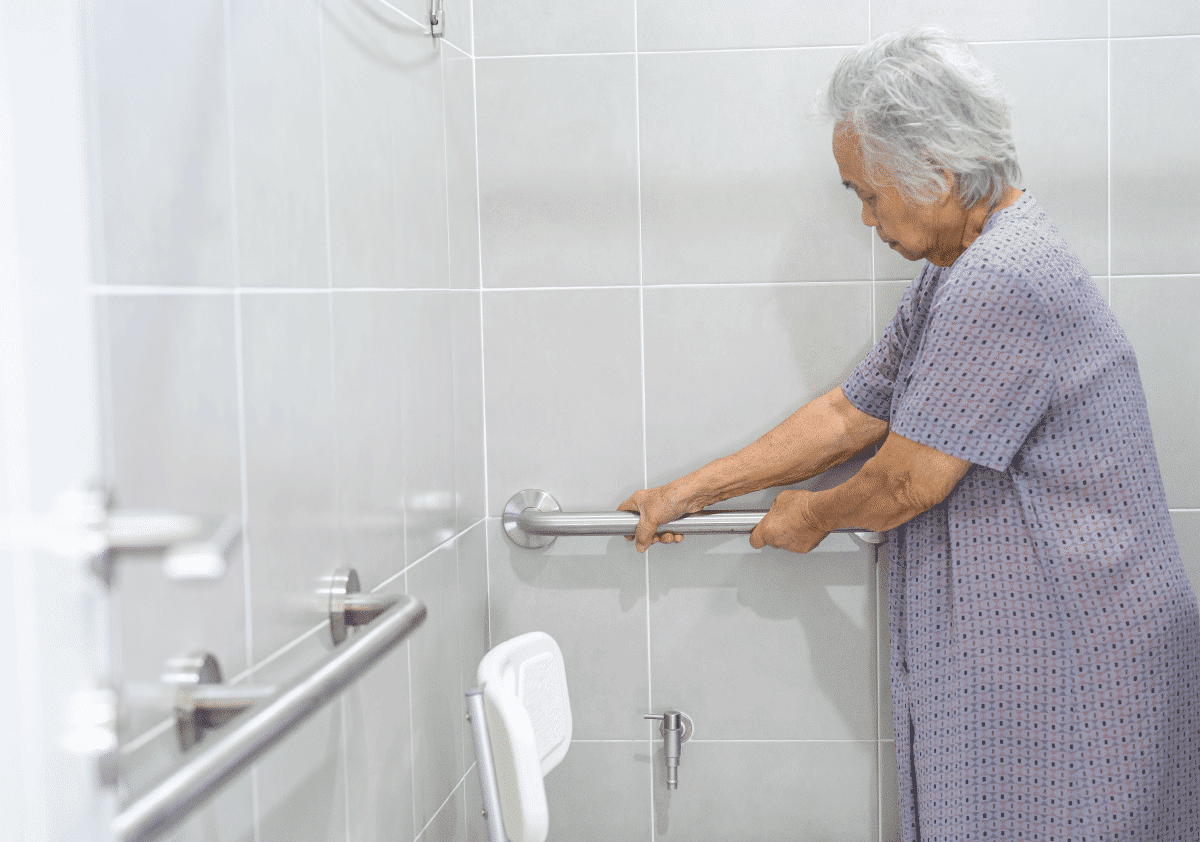
- Grab bars: Properly installed grab bars by the shower, tub, and toilet add a secure handhold for balance.
2. Preventing Slips and Falls
Slipping is one of the biggest concerns in post-surgery bathroom use. Even a small loss of balance can set back recovery.
- Non-slip mats: Place them both inside and outside of the shower or tub.
- Dry floors: Wipe up water immediately to prevent puddles.
- Footwear: Shoes or slippers with non-slip soles add traction and stability.
These simple steps may seem small, but together they create a much safer environment.
3. Making Toileting Easier
Sitting and standing are often some of the most difficult movements after surgery. Straining can also interfere with healing.
- Raised toilet seats: By adding height, they reduce the need to bend or lower too far.
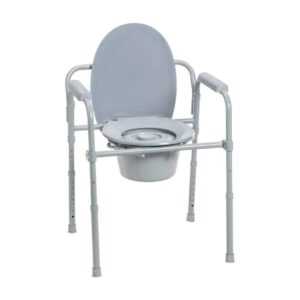
- Bedside commodes: Useful for patients who need frequent bathroom access or can’t walk far during early recovery.
- Accessible supplies: Keep toilet paper, wipes, and hygiene products within easy reach to avoid twisting or bending.
4. Improving Lighting and Accessibility
Good visibility and simple organization are key for a safe, stress-free bathroom.
- Nightlights: Soft lighting along the pathway to the bathroom and inside helps prevent accidents at night.
- Clear pathways: Remove loose rugs or clutter that can cause tripping.
- Easy access to supplies: Store soaps, shampoos, and towels at waist or shoulder height so bending isn’t required.
5. Planning for Assistance
Even with safety upgrades, help may be necessary during the first stages of recovery.
- Caregiver support: Family members or caregivers can provide reassurance and physical support during bathing or transfers.
- Asking early: Don’t wait until an accident happens — ask for help when tasks feel unsafe.
- Gradual independence: As strength and mobility return, patients can transition to doing more on their own.
Additional Considerations for Post-Surgery Bathroom Safety
- Medication side effects: Pain medications may cause dizziness or drowsiness, which increases fall risk. Be extra cautious when moving around the bathroom.
- Hydration and frequency: Drinking more fluids, often recommended after surgery, may mean more frequent trips to the bathroom. Planning ahead helps reduce rushed movements.
- Emergency planning: Keep a phone or alert system nearby in case help is needed.
When to Seek Professional Guidance
Every surgery and recovery is different. A healthcare provider or physical therapist may recommend specific bathroom modifications depending on your condition. In some cases, short-term use of equipment is enough; in others, permanent changes can improve long-term safety.
At Alpine Home Medical, our team can provide guidance on solutions that support recovery while keeping comfort, dignity, and independence in mind. We also offer additional resources in this Bathroom Safety Help Center to help patients and caregivers feel confident every step of the way.
Healing after surgery takes time, and creating a safe bathroom environment is one of the most practical steps you can take to make recovery smoother. From preventing slips and falls to reducing physical strain, small adjustments can have a big impact on comfort and peace of mind. With the right support, you or your loved one can focus on what matters most — a safe and steady return to health.