Braces and supports are some of the most versatile orthopedic products available. They provide stability, reduce pain, and protect against re-injury, whether you’re healing from surgery, managing a chronic condition, or just looking for extra comfort.
Common Types of Braces and Supports
- Wrist and Thumb Braces – Often used for carpal tunnel, sprains, or repetitive strain injuries. They limit movement to reduce pressure while still allowing light activity.
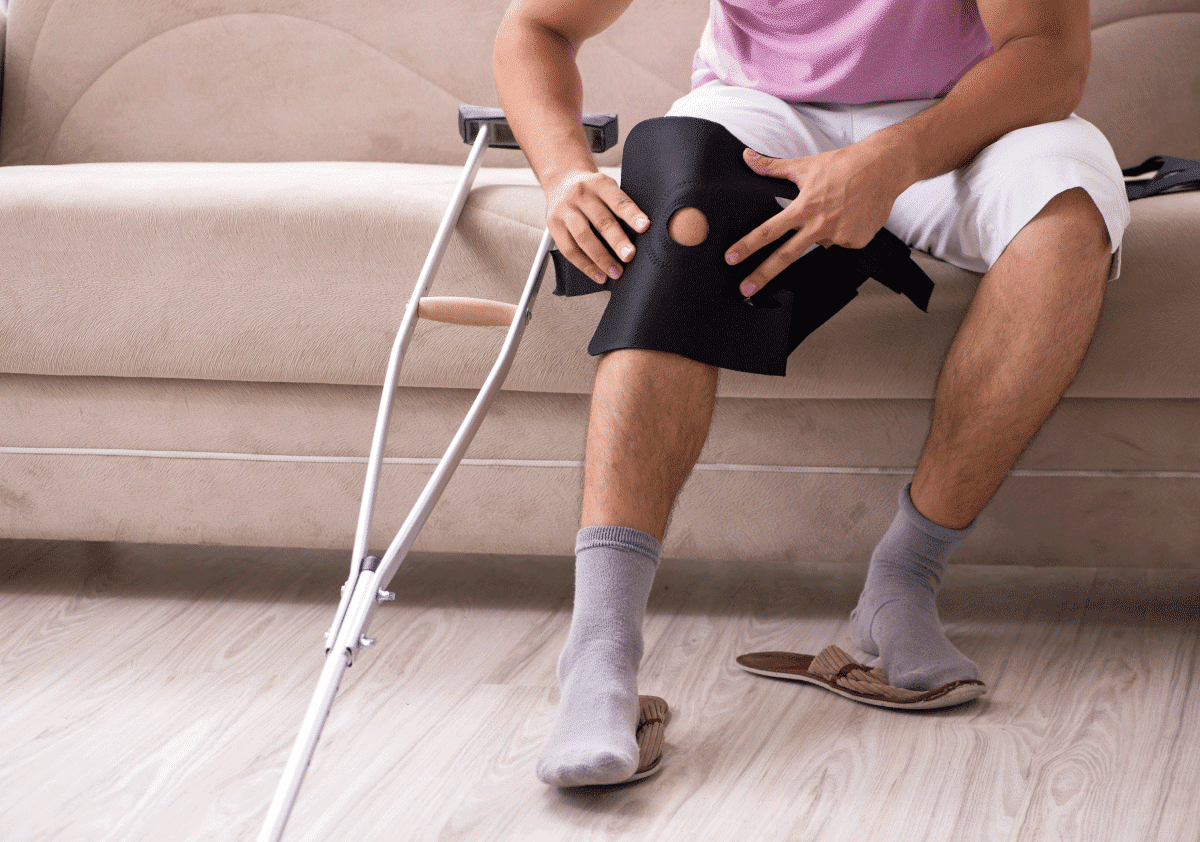
- Knee Braces – From hinged braces that stabilize ligaments to sleeves that reduce swelling, knee supports can make walking or exercise safer after injury.
- Ankle Supports – Help stabilize weak or healing ankles, especially after sprains or ligament injuries.
- Back Supports – Provide gentle compression and alignment, easing strain from lifting, posture issues, pregnancy, or surgery recovery.
Choosing the Right Option
The best brace depends on:
- Location of discomfort or injury
- Level of support needed (light compression vs. rigid stabilization)
- Daily activities you want to continue doing
Why Fit Matters
A brace that’s too tight can restrict circulation, while one that’s too loose won’t provide enough support. Adjustable straps and multiple sizes are available, making it important to find the right fit for both comfort and effectiveness.
Everyday Benefits
The right support can reduce pain during movement, help prevent setbacks, and provide peace of mind. Braces don’t just help you recover — they help you stay active safely.